Case Study
By Witchlight
The Magus Circle
Drawing-based roguelite • Vampire Survivors–inspired action • PC
Goal
Validate onboarding & first 2 hours
Prevent early drop-off and refunds. Make drawing-as-mechanic intuitive for first-time players.
Process
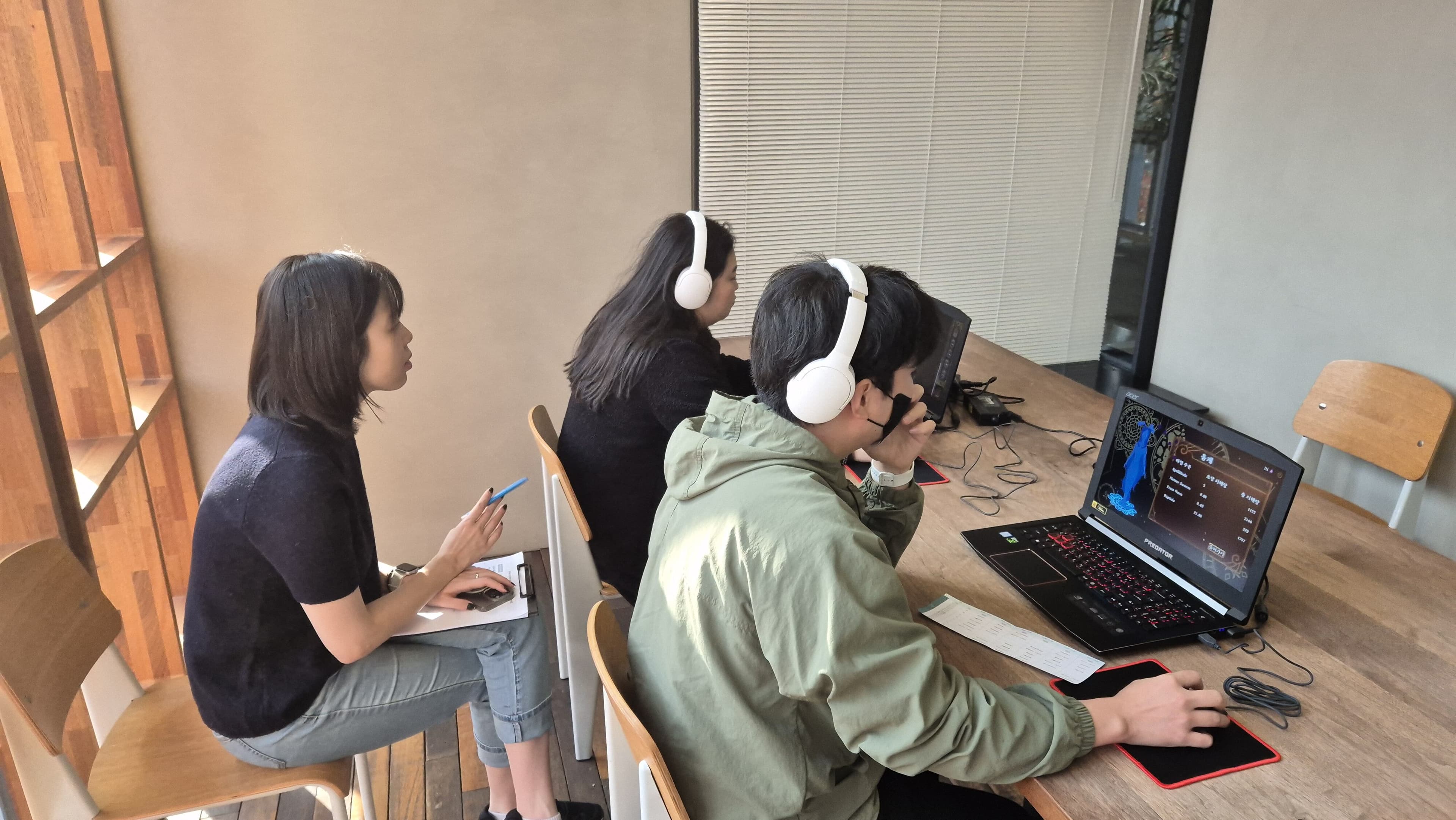
In-person testing
Full day with 24 participants, paired 1-hour sessions. Structured Plithus reports with clear, actionable findings.
Result
20–30% fewer critical bugs · 70–90% better tutorial clarity
Demo-ready. Team confidence and a clear roadmap.
The Company
By Witchlight & The Magus Circle
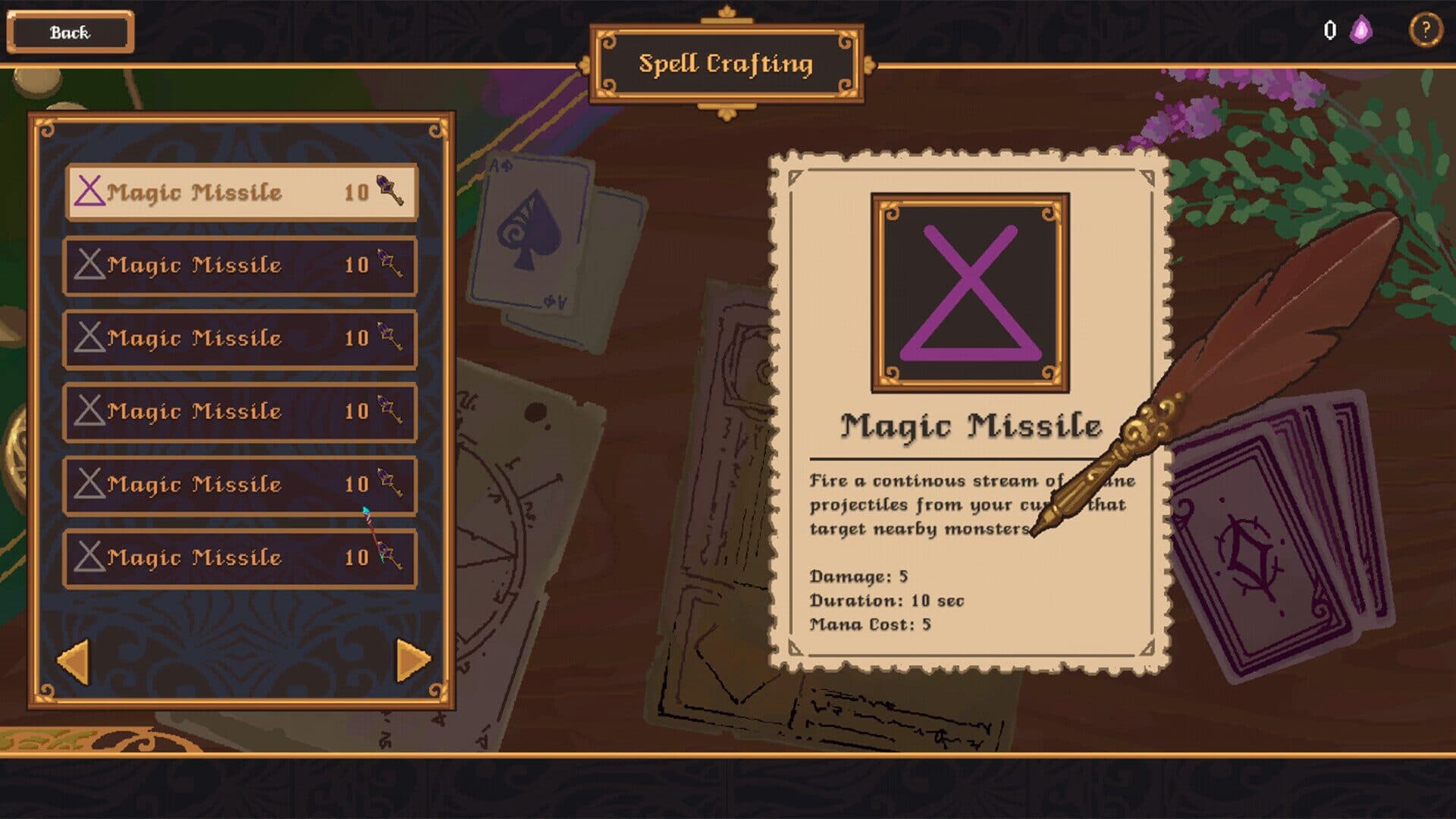
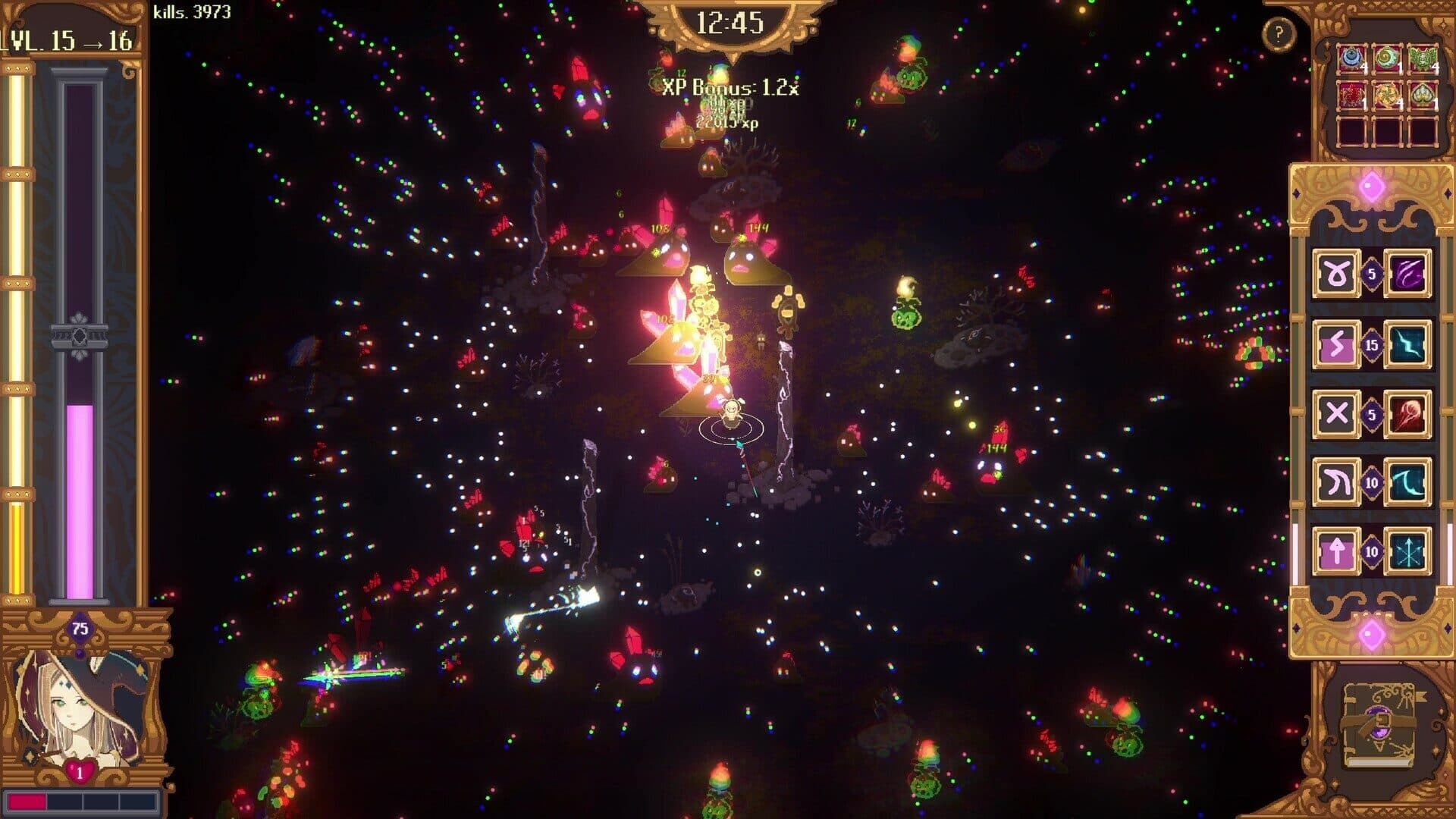
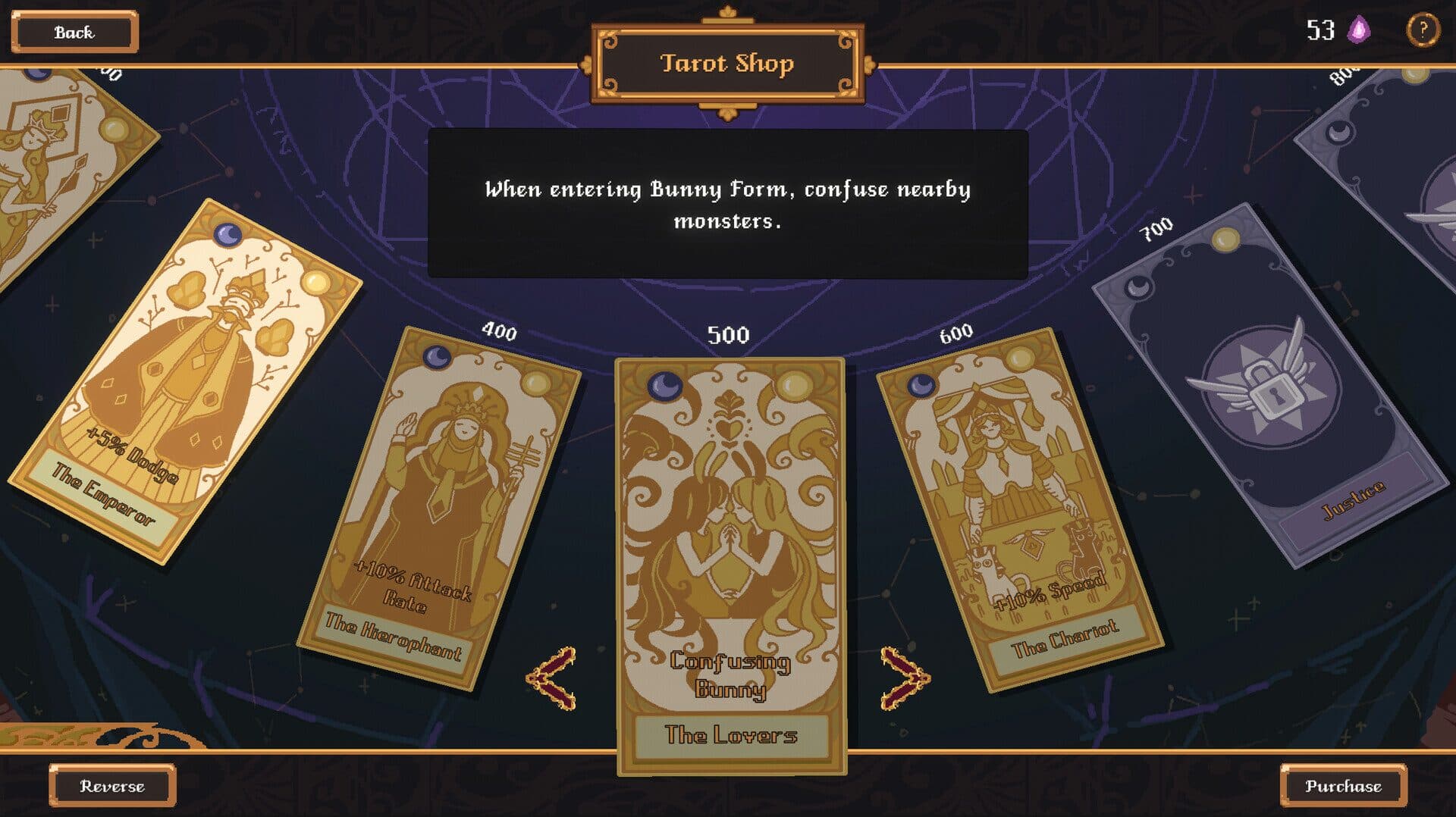
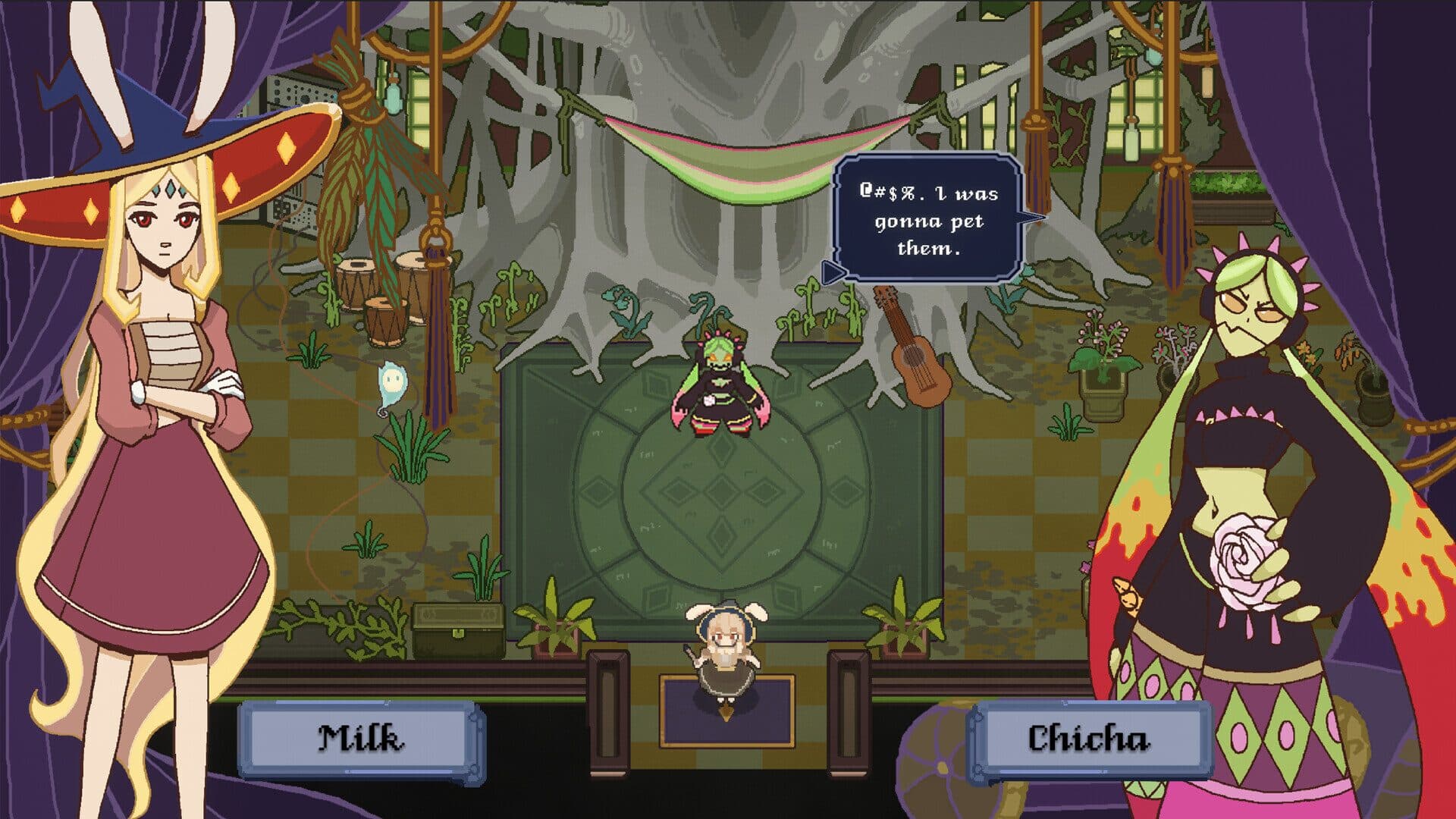
By Witchlight is a fully remote, global indie team of four core members and several additional contributors, co-founded by two people with responsibilities split between production/programming/game design and art direction. The Magus Circle is their first commercial title: a PC game that combines drawing-based mechanics with a Vampire Survivors–inspired action loop, roguelite progression, and a strong visual identity.
Target Users
Global, English-speaking audience; players in their teens and above, across all genders.
At the time of testing, the project was at a vertical slice stage as a demo build, with playtime ranging from approximately 2 to 7 hours depending on player engagement and progression.
The Challenge
Onboarding & first two hours
The primary challenge was onboarding: teaching players how to draw as a core gameplay mechanic is unconventional, and the team was uncertain how intuitive and approachable it would feel to first-time players. They were also concerned about early frustration from misunderstood mechanics, physical fatigue during longer sessions, and moments where the game could feel repetitive or difficult to understand. The first two hours were identified as the most important window for preventing early drop-off and refunds.
“The goal of testing was to validate our onboarding decisions and ensure the game felt engaging, readable, and easy to pick up from the very beginning.”
The Solution
In-person testing & structured reports
By Witchlight placed high importance on testing with both first-time players and players willing to engage in longer sessions. Offline, in-person testing proved particularly valuable, allowing direct observation of player behavior, confusion points, and physical responses such as fatigue. Testing was conducted over a full day with approximately 24 participants, organized into paired one-hour sessions.
The most impactful insights came from observing misunderstood mechanics, unexpected player behavior, and moments where players hesitated or considered quitting early—often contradicting internal assumptions. Plithus delivered findings through extremely structured reports, with clear categorization of issues and concise, actionable summaries that made the data easy to interpret and apply.
The Result
Changes & impact
Based on the testing results, By Witchlight made significant changes: a full rework of the tutorial and onboarding flow, improvements to UX clarity across core systems, extensive bug fixes, and fine-tuning of key moments designed to anchor player interest.
Game Improvements
Bug reduction
Substantial reduction in critical and progression-blocking bugs (approximately 20–30% within the tested build).
Tutorial clarity
Tutorial clarity and mechanic understanding improved by an estimated 70–90%, based on repeated testing and reduced player confusion in the first two hours.
Early-session experience
Early-session frustration and hesitation decreased; more players progressed without external guidance.
Team confidence
Testing eliminated a large amount of uncertainty and provided a clear, prioritized roadmap for iteration and demo readiness.
Why By Witchlight recommends Plithus
What they found most valuable was the ability to observe raw first-time user behavior. Seeing how unfamiliar players interacted with the game helped them understand why players might quit early and revealed many unexpected decisions that could not have been anticipated internally. It was particularly rewarding to see that the game resonated with players of different ages and genders.
“Plithus is especially well-suited for small indie teams that are still searching for clarity around their core game loop and overall fun factor. We would confidently work with them again on future projects. If you do not playtest, you never truly know if your game is fun.”