Savepoint
GOTY
A strategy-sim case where indie team management is modeled as a defense/deckbuilding loop, reviewed for first-run readability and mid-run depth.
Goal
Prove players can read the core loop fast.
Validate whether the three critical rules (idea flow, merging, fail-state) are understood in the first run without hand-holding.
Process
Watch real runs, then map decision intent.
Collect behavior logs during play and run short post-round debriefs to separate UX confusion from strategic risk-taking.
Result
Locked 5 concrete fixes for next sprint.
Confirmed implementation-ready updates for onboarding flow, economy pacing, synergy readability, repetitive waves, and end-of-run feedback.
The Company
Savepoint & GOTY
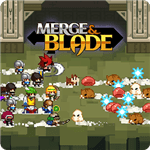
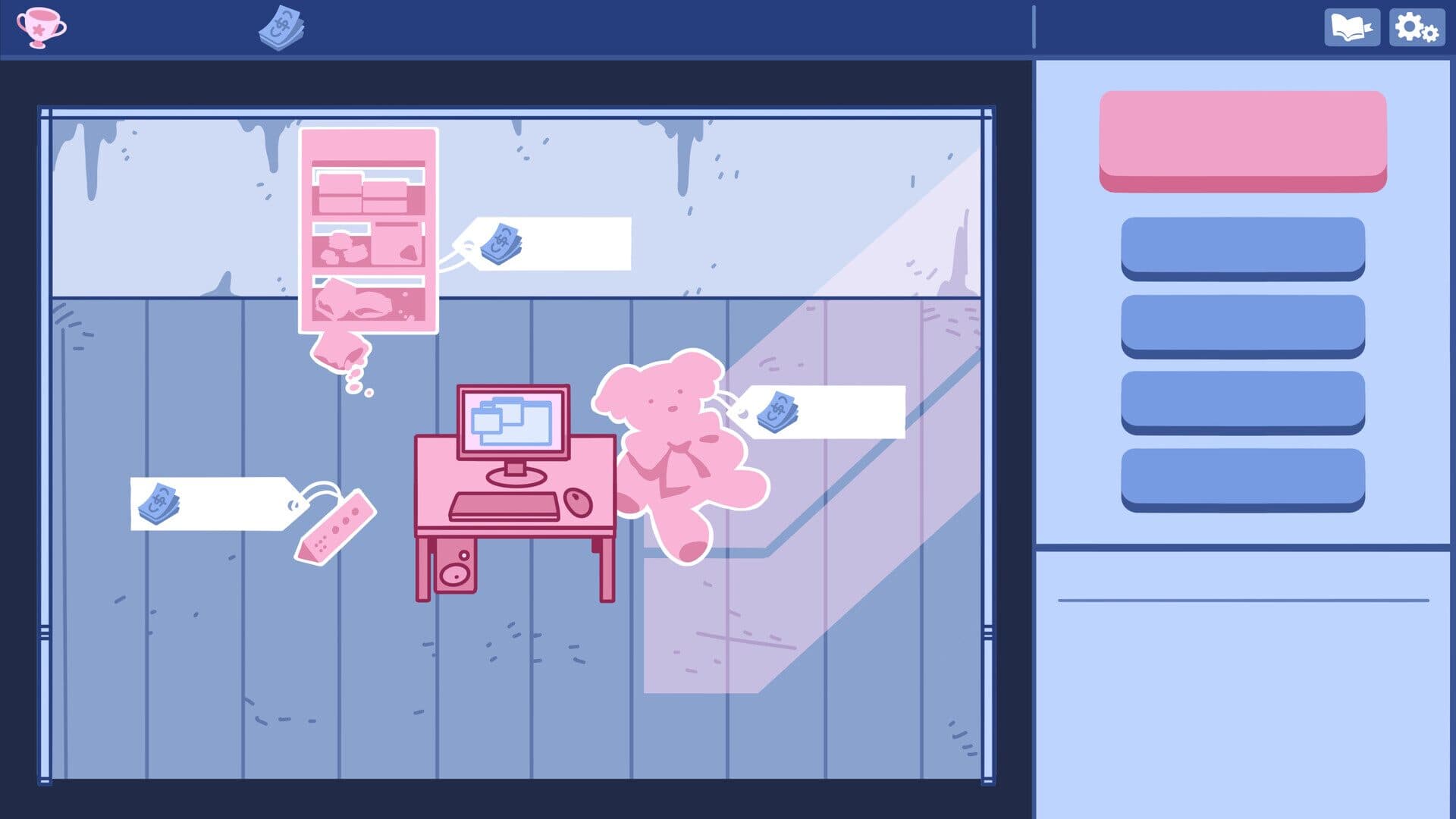
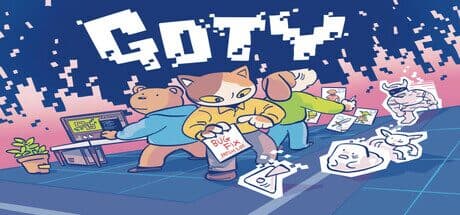
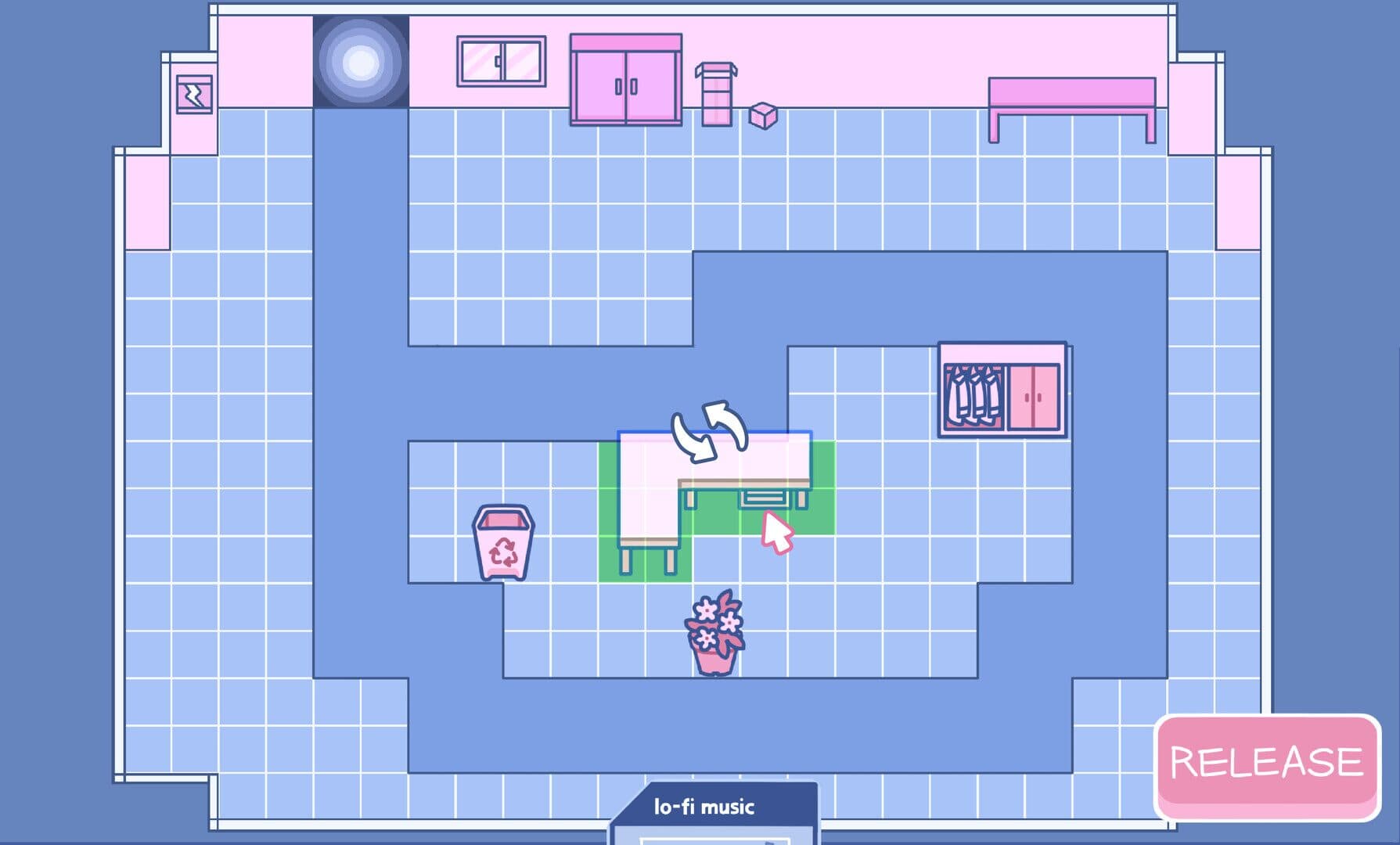
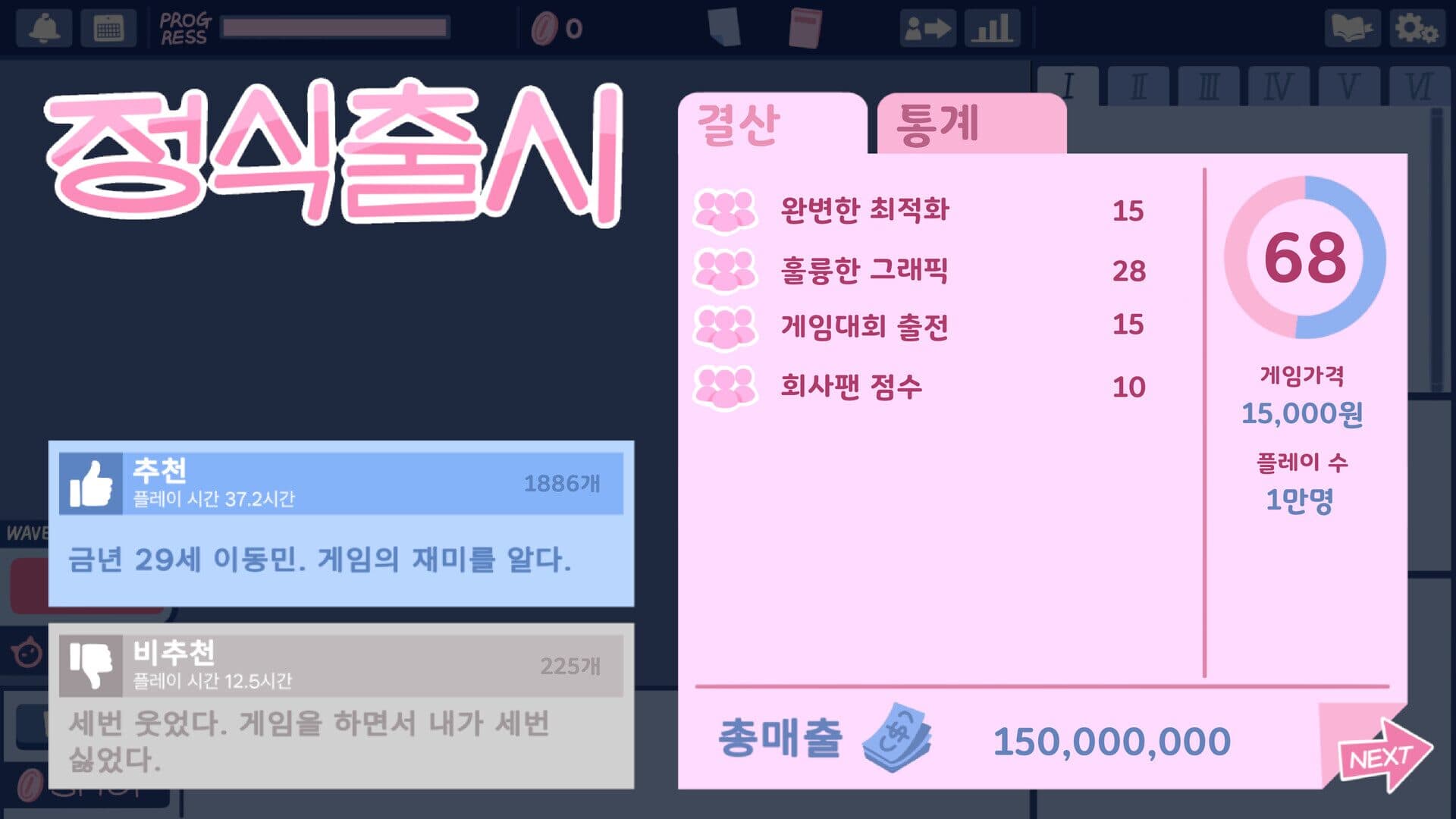
GOTY turns the hardship of indie team production into a strategy operation game. Players assign developers, merge units, optimize synergies, and survive production waves under constrained resources. The core value is repeated optimization under pressure, not idle progression.
Target users
Strategy/sim players who enjoy deckbuilding and roguelite progression loops.
Development stage
Pre-release (Steam target: 2026).
The Challenge
Reduce early overload without flattening depth
System-heavy games often fail in two places: first-session overload and mid-session repetition. The review goal was to separate true comprehension failures from intended strategic tension, so the team could improve information design without diluting challenge.
The key issue was not difficulty itself, but whether players could interpret why they failed.
The Solution
Behavior logging plus intent reconstruction
Sessions tracked placement timing, merge frequency, card sequencing, and pre-failure actions. Short recall debriefs then reconstructed decision intent at key moments to classify each friction point precisely.
This converted broad sentiment into implementation tasks. Similar-looking symptoms were split into UX communication issues vs balance-model issues, which made prioritization faster across design, economy, and content teams.
The Result
Execution-ready improvements for the next build
The team left with actionable changes, each tied to clear ownership and expected impact.
- Onboarding rewrite around three critical rules in the first ten minutes.
- Economy tuning to reduce early starvation and clarify expansion payoff.
- Synergy UI update exposing active/inactive reasons at a glance.
- Wave-structure variation to reduce repetition fatigue in mid-runs.
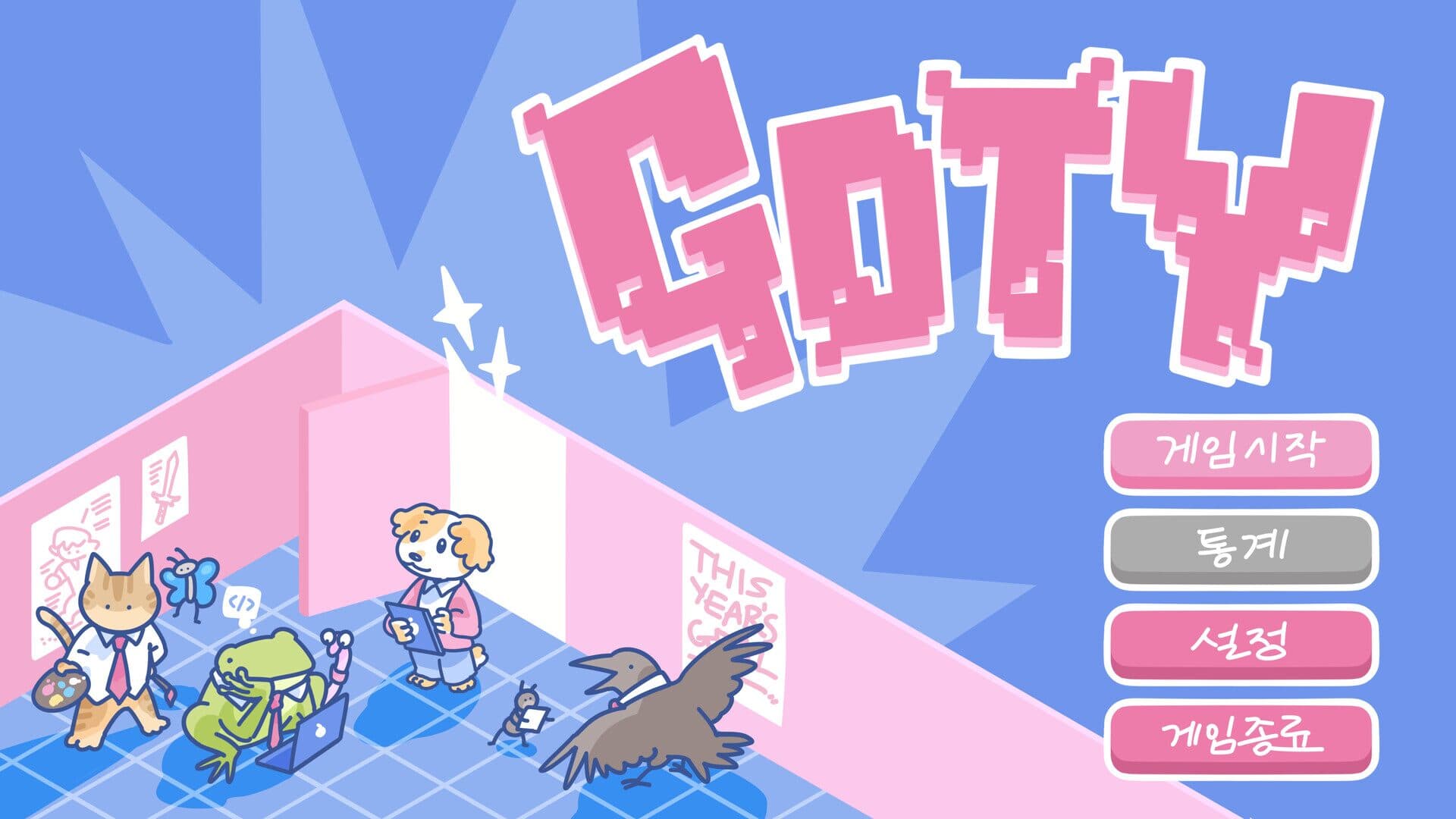
- End-of-run summaries split into strategy errors vs execution errors.
Team feedback
Alignment got faster and cleaner
The studio reported that issue triage became significantly faster once behavior traces and player intent were reviewed together, especially when deciding whether a problem belonged to UX, balance, or content pacing.
We stopped debating symptoms and started agreeing on causes.