Chasing Fox (team)
Jack the Reaper: Vagrants in the Mist
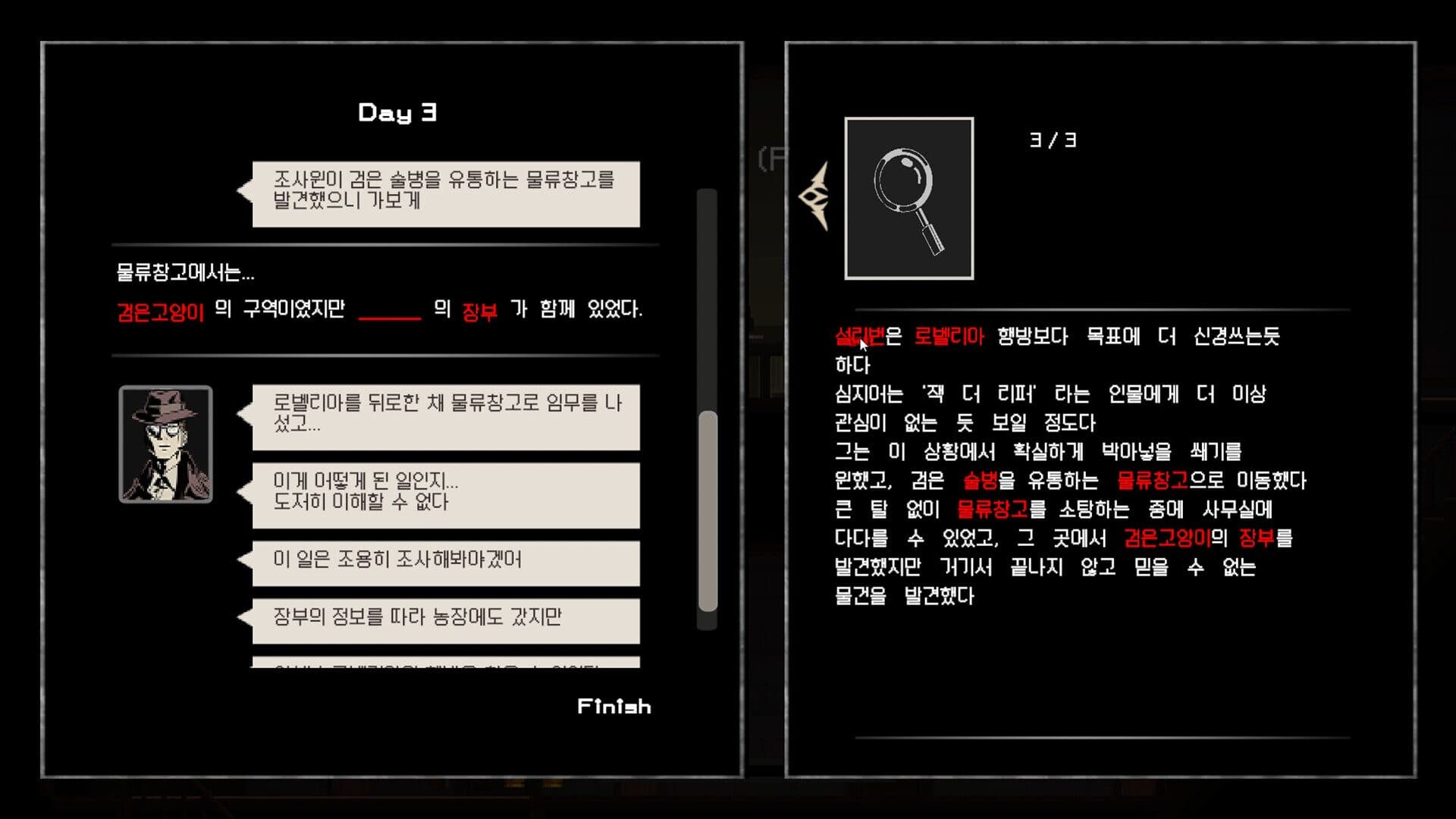
A 2D side-scrolling action-puzzle with detective progression. The player, acting as a Reaper, tracks the true culprit behind a partner's murder and reconstructs the truth.
Goal
The team wanted to separate event-driven positivity from real gameplay validation, then verify how first-time players interpret deduction systems. They also needed external runs to surface edge-case bugs internal QA could miss.
Process
Because the project was still in prototype stage, they prioritized focused offline sessions over online tests, adjusting play and debrief length to match the game's pace.
Result
Bug discovery efficiency improved sharply, story comprehension climbed across milestones, and small UX friction points were refined based on external-player evidence.
The Company
Chasing Fox & Jack the Reaper: Vagrants in the Mist
Jack the Reaper combines side-scrolling action puzzle flow with detective reasoning. Players progress through combat and narrative inference in parallel while pursuing the case's core truth.
Target users
Players who enjoy action and users who prefer driving story progression themselves.
Development stage
Demo stage.
The Challenge
Objective validation and first-contact readability
A central concern was whether positive expo feedback reflected real core fun or context bias. Since the team already knew the story answers, they also needed to observe first-contact interpretation of deduction systems from players with no prior context.
As developers, we can never be fully objective; even small details need external validation from real players.
The Solution
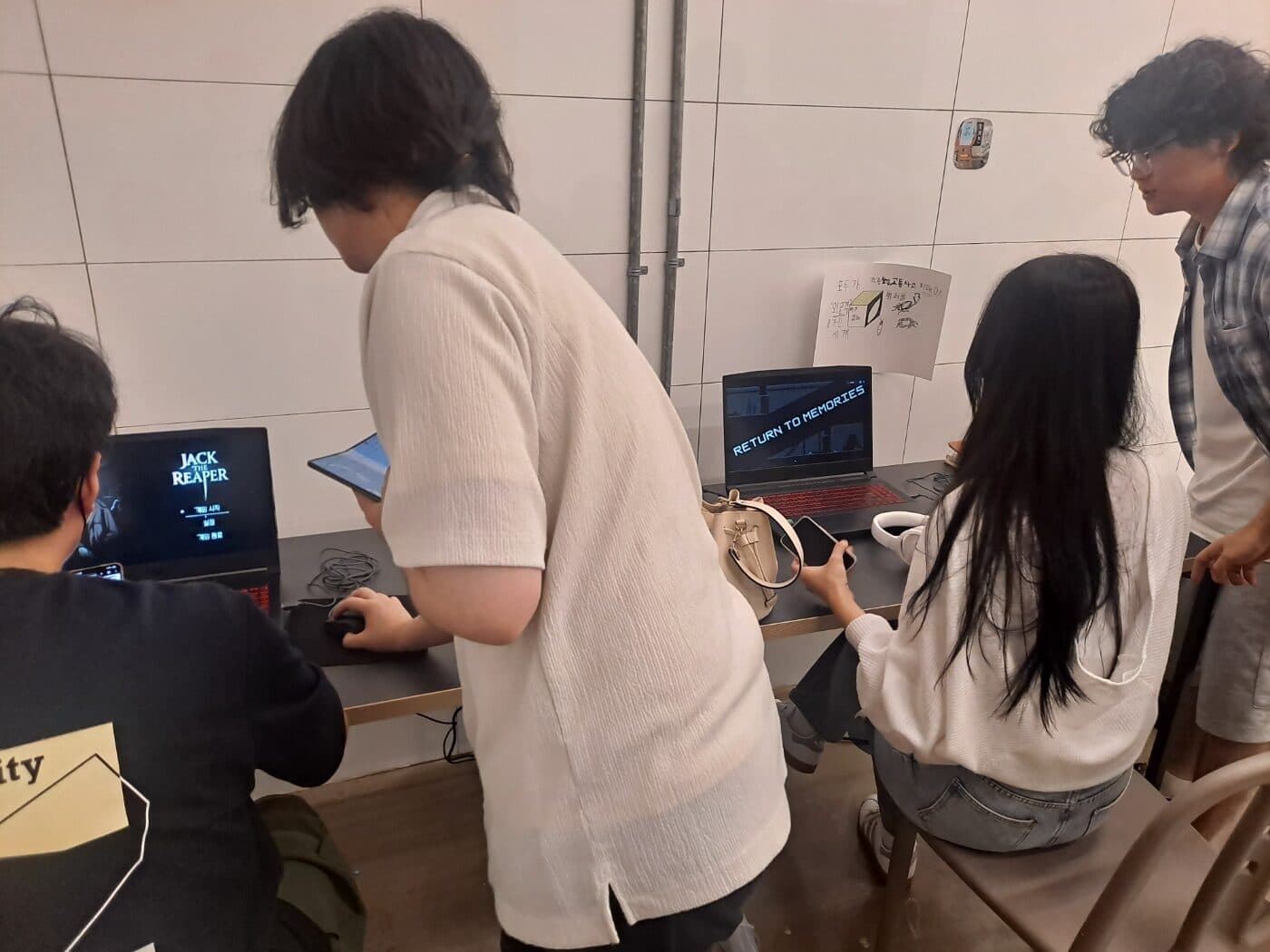
Offline playtesting with behavioral observation
In-person sessions let the team watch both gameplay and reaction timing directly. Tester profile data from Plithus added useful context on genre preference and expectation baselines.
Beyond top-line satisfaction, they captured polarized reactions to newly introduced systems, turning broad feedback into actionable redesign priorities.

The Result
What changed after testing
Across two test rounds and follow-up showcase data, the studio reported the following directional outcomes:

Game Improvements
- Bugs: around 15 issues surfaced in round one, while new issues in a later build dropped to around 3.
- Story comprehension: 56.8% (PlayX4 2025) -> 75% (round two) -> 88.6% (later showcase) showed a consistent upward trend.
- UX detail: hit-stun and ranged attack telegraph timing were adjusted where players reported unfairness.
- Team confidence: repeated test loops improved response speed to similar issues and increased confidence in demo stability.
Why the studio recommends Plithus
Why Chasing Fox recommends this approach
The team emphasized that value came not only from validating core fun, but from stress-testing small interaction details with many real players. Under schedule and environment constraints, structured playtests provided a practical way to keep decisions evidence-based.
Without playtesting, you cannot truly know where players get stuck or what feels unfair.